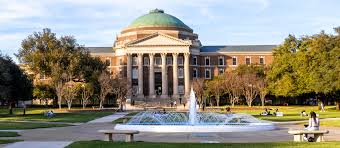
SMU Student Suicide, SMU Student Died by Suicide at Southern Methodist University; Campus Mourns as Mental Health Resources Activated.
DALLAS, Texas — The atmosphere across the campus of Southern Methodist University changed almost instantly.
What began as an ordinary week of classes, finals preparation, student meetings, and late-night study sessions turned into a day marked by silence, confusion, and grief after university officials confirmed the death of a student in what authorities believe was a suicide.
Students walking through the manicured pathways near the residence halls described seeing emergency vehicles, clusters of stunned classmates, and an emotional heaviness that spread quickly through campus text chains and social media posts before official information was released. Within hours, grief counselors had been mobilized, professors were notified, and university leadership issued statements urging students to seek support and care for one another.
The student’s identity has not been formally released publicly, a decision university officials and mental health professionals say was made out of respect for the family and in accordance with best practices surrounding suicide reporting.
While many details surrounding the tragedy remain private, what is undeniable is the emotional impact now rippling through the SMU community.
For students living on campus, the tragedy feels painfully close.
“It’s hard to explain the feeling,” one sophomore student said quietly outside a residence hall Tuesday evening. “You walk past people every day and never know what they’re carrying internally. Then something like this happens and everyone starts wondering if they missed signs.”
Another student described the mood on campus as “surreal,” explaining that conversations shifted almost immediately from academics and exams to mental health, stress, exhaustion, and emotional isolation.
“There’s this pressure culture at universities,” the student said. “Everybody looks okay on the outside. Everybody posts happy photos. But privately, a lot of people are struggling.”
University officials confirmed that campus police and emergency personnel responded after reports involving an unresponsive student connected to university housing. Despite emergency efforts, the student was pronounced deceased.
Authorities emphasized there is no ongoing danger to students or faculty, and officials have not indicated any criminal component connected to the death.
In the hours following the incident, SMU administrators activated crisis response procedures designed for traumatic campus events. Counseling staff expanded availability, wellness services increased staffing, and faculty members were encouraged to provide flexibility for grieving students.
In a message distributed to students and staff, university leadership acknowledged the emotional weight of the tragedy and urged students not to isolate themselves during the grieving process.
“We are heartbroken,” the statement read in part. “We encourage members of our community to seek support, connect with loved ones, and utilize the counseling resources available.”
For many students, the loss has reopened broader concerns about mental health pressures on college campuses nationwide.
Mental health professionals say universities across the United States continue to see rising rates of anxiety, depression, burnout, and emotional distress among students navigating academic demands, financial uncertainty, social pressures, and fears about the future.
At highly competitive institutions like SMU, students often balance intense coursework with internships, leadership expectations, athletics, social obligations, and career preparation — all while attempting to maintain the appearance that everything is under control.
Counselors note that suicidal crises are often far more complex than outsiders realize.
“There usually isn’t one single cause,” said one Dallas-area mental health advocate familiar with college counseling systems. “It can be cumulative stress, untreated depression, loneliness, trauma, hopelessness, exhaustion — often hidden behind normal daily functioning.”
That hidden suffering is part of what makes campus tragedies so deeply unsettling. Friends and classmates frequently describe victims as kind, intelligent, social, motivated, or outwardly successful.
The disconnect can leave survivors asking painful questions:
Could we have noticed?
Could we have helped?
Did they know they mattered?
Those questions now linger heavily across the SMU campus.
Students gathered informally throughout the evening following the announcement, some lighting candles, others embracing in silence outside dormitories and common areas. Several student organizations circulated mental health resources online while urging classmates to check on one another.
One message shared widely among students read simply:
“Please stay. Somebody needs you here.”
Mental health experts warn that after a campus suicide, community support becomes critically important — not only for close friends of the deceased, but for the broader student population as well. Exposure to suicide can intensify emotional struggles for vulnerable individuals, particularly those already battling depression or isolation.
Because of this, universities are encouraged to avoid sensationalizing deaths while focusing instead on prevention resources, support systems, and compassionate outreach.
SMU officials have continued emphasizing available services, including crisis counseling, virtual therapy access, and emergency mental health support lines.
Students are also being reminded that emotional distress does not always look dramatic. Sometimes it appears as withdrawal, exhaustion, irritability, hopelessness, missed classes, or sudden disconnection from friends.
Faculty members, resident advisors, and student leaders have been encouraged to remain attentive to behavioral changes among students in the coming days and weeks.
For parents, the tragedy has also struck a nerve.
Several families of current students expressed heartbreak while discussing the emotional realities young adults face away from home. Some described immediately calling or texting their children after hearing the news.
“You send your child to college hoping they’re building a future,” one parent said. “You don’t always realize how much pressure they might be carrying internally.”
As the investigation continues, the university community remains focused less on unanswered details and more on supporting those left grieving.
No timeline has been announced regarding memorial services or additional campus gatherings. Students have continued leaving flowers, handwritten notes, and messages of remembrance in quiet corners around campus.
For many at SMU, the tragedy has become more than a news event. It has become a painful reminder that emotional suffering is often invisible — and that kindness, conversation, and intervention matter more than people sometimes realize.
And amid the grief, one message continues surfacing across campus:
Check on your people.
Stay connected.
Ask twice if someone says they’re fine.
Sometimes, that conversation can save a life.
Mental Health Resources
If you or someone you know is struggling emotionally or experiencing thoughts of self-harm, support is available:
-
988 Suicide & Crisis Lifeline: Dial or text 988
-
Crisis Text Line: Text HOME to 741741
-
SMU Counseling & Psychiatric Services (CAPS): (214) 768-2277
-
Emergency: Call 911 if someone is in immediate danger
Disclaimer: The family will release obituary, memorial, funeral, and visitation details at their sole discretion, and we respect their wishes regarding privacy during this difficult time. Some details surrounding this incident remain preliminary and may change as authorities continue their investigation. This article is intended for general informational purposes only, and while every effort has been made to ensure accuracy, no guarantee is made regarding the completeness or reliability of the information presented. Updates may be made as new confirmed details become available.